

Showingof 44 item(s)

Pottery Plaster No. 1 produces break-resistant, smooth wearing molds for slip casting, jiggering, and press molds. The industry standard for making slip casting molds for ceramicware, sanitaryware, dinnerware, and fine china.
C$21.00
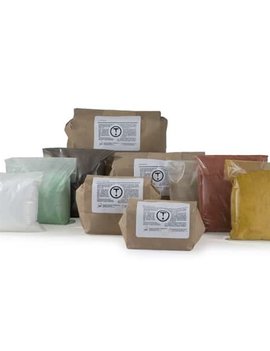
Hydrocal® White Gypsum Cement (Plaster) offers twice the compressive strength of other plasters. Stiffening rate very rapid after setting action begins.
C$65.00
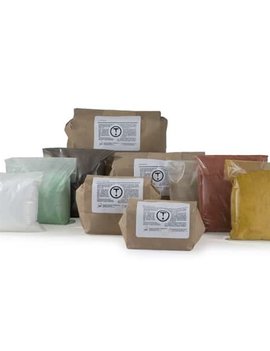
Silica (Flint) Sand 75 Mesh is often used in clay bodies instead of grog. It also can be useful to reduce body firing shrinkage. Silica sand can be used to diminish friction on kiln shelves to enable ware to move while shrinking to prevent sticking.
C$16.55
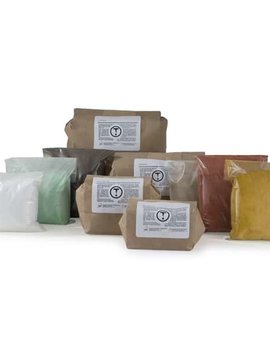
Wollastonite is a natural calcium silicate used to reduce shrinkage in clay bodies and glazes during firing. Can aid in the fast firing of clay bodies and can be employed to replace silica and whiting.
C$10.35
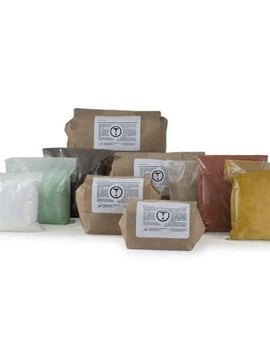
Silica (Flint) 400 Mesh is a purified version of this much used material of glaze and claybody formulation. In clay and glazes, Flint provides the melting, or glassifying agents in a claybody that allow the material to fuse together.
C$14.25
Gillespie Borate is a blended borate material designed for use in glazes to replace Gerstley Borate. It has been on the market for over 20 years.
C$13.95
Soda Ash (Sodium Carbonate), a fine granular material, is an active flux and also serves an important function as a deflocculant used to thin slips and slurries. It increases strength and workability and reduces shrinkage.
C$11.25
This is a ceramic grade calcined Rutile, typically used when called for in glaze recipes. Rutile, a tan colourant containing a small amount of iron, is a natural source of titanium dioxide used in glazes.
C$23.65
Nepheline Syenite has been a used in the ceramic industry for many years, and is known for the whiteness it imparts to clay bodies and increasing low to mid cone glaze firing ranges.
C$10.40
Cryolite is a powdered material derived from granite. It is a strong fluxing agent with a very low melting point. Cryolite is used in frits and glazes, and is a source of aluminum and insoluble sodium.
C$39.20
Bone Ash (TriCalcium Phosphate) is source of calcium and phosphate traditionally used in bone china for translucency and lowering the maturing temperature.
C$13.55
Alumina Hydrate is a fine granular white powder that remains in suspension better in glaze slurries and has better adhesive qualities than Alumina Calcined. Used in glazes to increase hardness, aid stabilization and help resist crazing.
C$15.35
Hydro-Stone® Gypsum Cement is especially suitable where high strength and resistance to water absorption are necessary. It is ideal for applications in both the tooling & prototyping and art & statuary categories.
C$75.00
Silica (Flint) 200 Mesh is a purified version of this much used material of glaze and claybody formulation. In clay and glazes, Flint provides the melting, or glassifying agents in a claybody that allow the material to fuse together.
C$11.30
Dolomite is a type of milled limestone that is a useful source of both calcium and magnesium in ceramic glazes.
C$10.90
Borax Decahydrate is a water soluble, low temperature flux which lowers the fusion point of glazes and promotes a smooth melt. A source of sodium and boric oxide in glazes.
C$13.55

Bentonite is a fine powder that is a grey-tan color. As typical for ceramic use, this is a sodium bentonite and is a common additive to both glaze and clay. Use in small percentages to aid clay body plasticity and glaze suspension.
C$9.85
Feldspar Potash (Custer) is one of the primary feldspars used in ceramics. G200 EU is a 1:1 substitute for G200 in glaze recipes.
C$8.40
Spodumene (substitute) is a silicate mineral often referred to as lithium feldspar. Commonly used in ceramics as a source of lithia which is used as a powerful flux especially when used with potash and soda feldspars.
C$94.15
Petalite, a lithium feldspar with a high silica content, is used both in glazes and clay bodies to help decrease thermal shock.
C$15.75
In ceramics, Manganese Granular is used primarily in clays and glazes to achieve fired speckle (including the brick industry). This is the same material as manganese dioxide powder, it is simply not ground to a fine powder.
C$11.20
Boric Acid is a water-soluble boron mineral. Boric Acid is used as a B2O3 source in the formulation of frits and glazes.
C$4.55
Fabi Talc is both white in it’s raw state, and in it’s fired colour. Talc is an hydrated magnesium silicate, its crystals are thin and lamellar forming. Talc can be found in various grades, different by purity, colour and lamellarity.
C$17.15


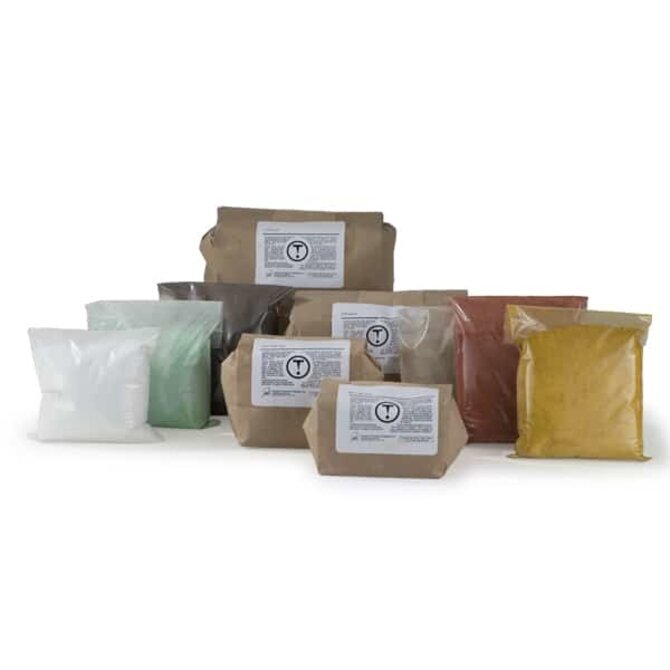
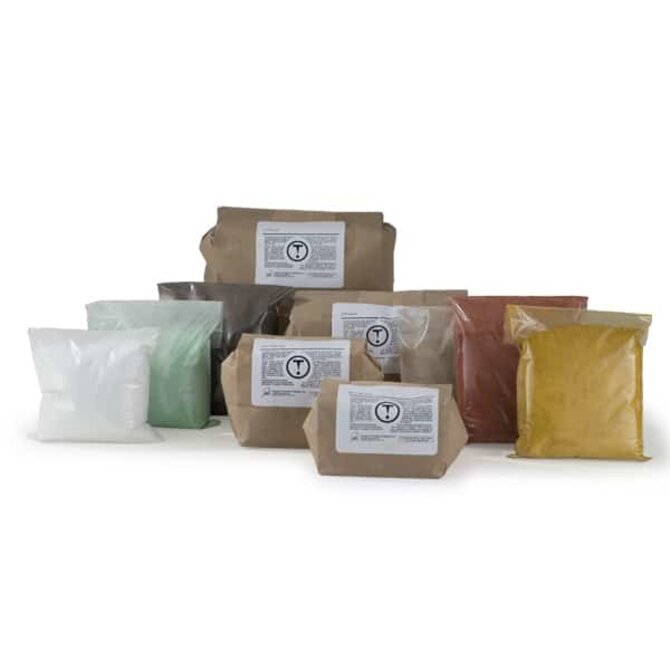

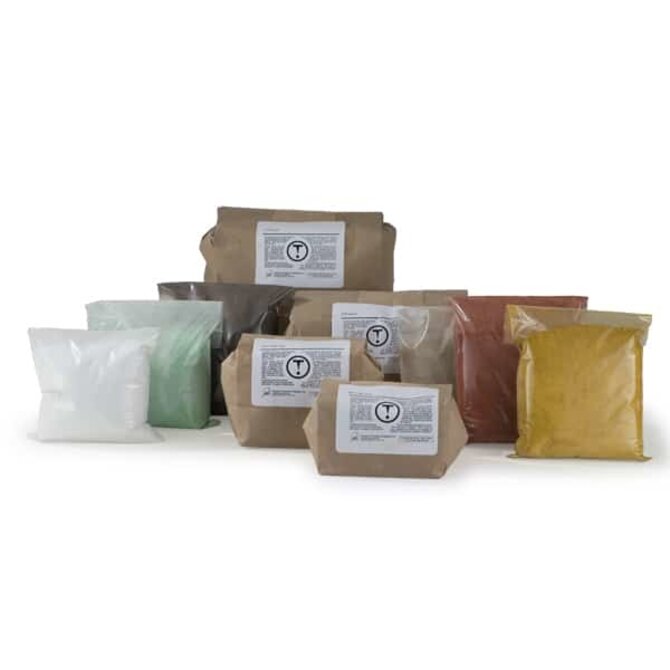
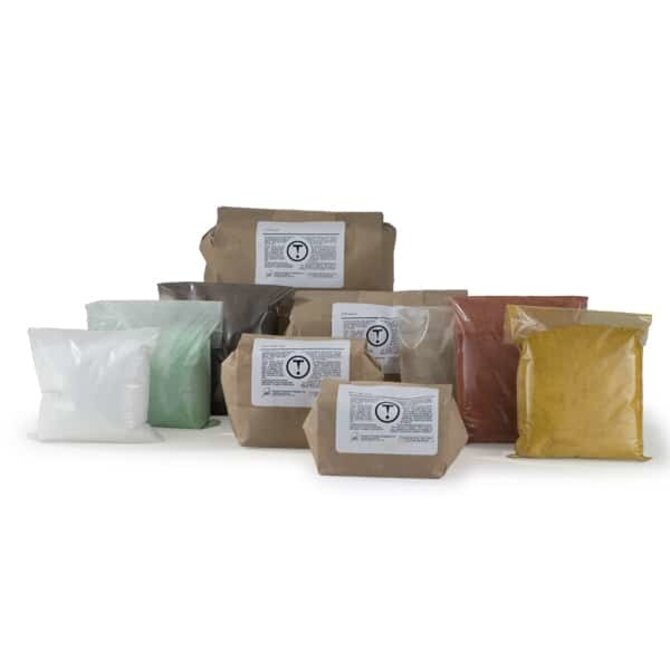
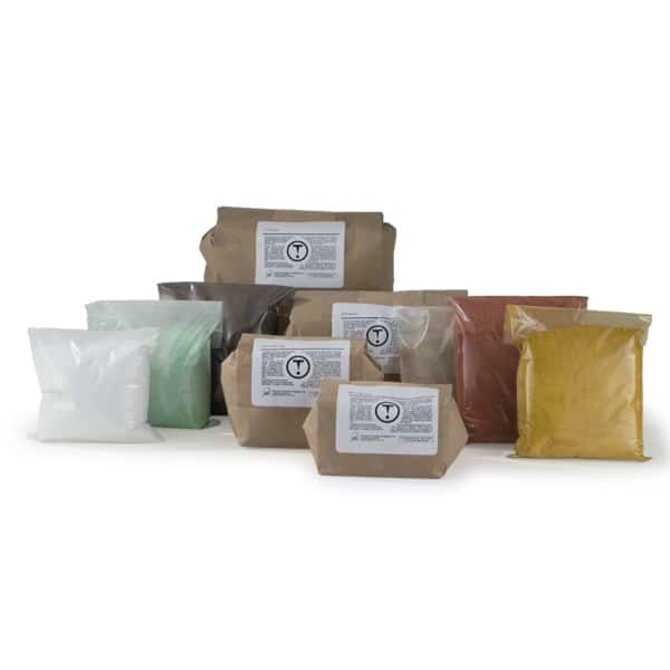
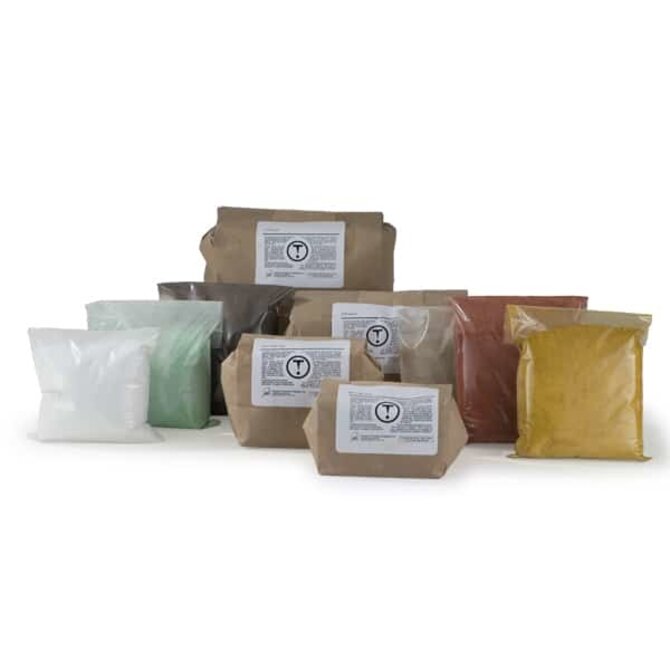
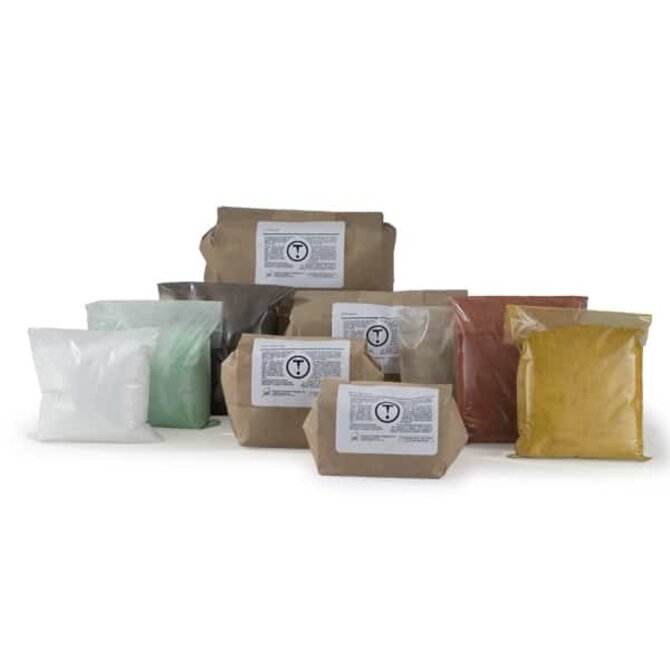
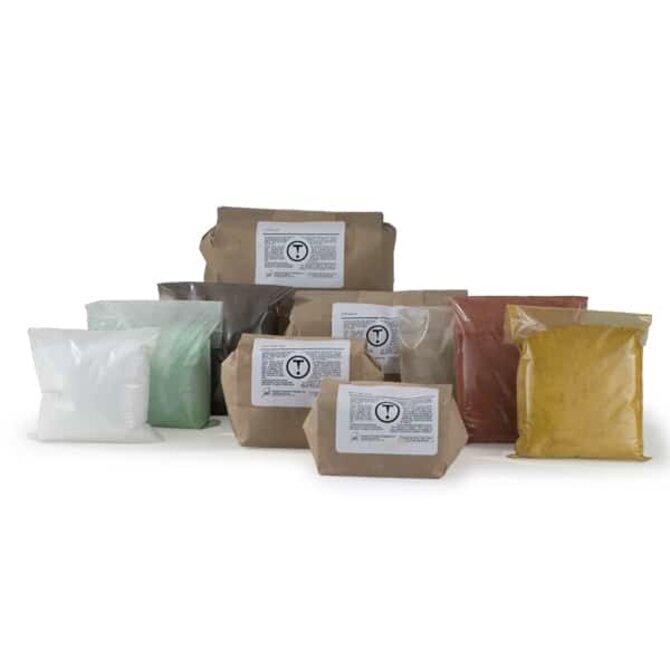

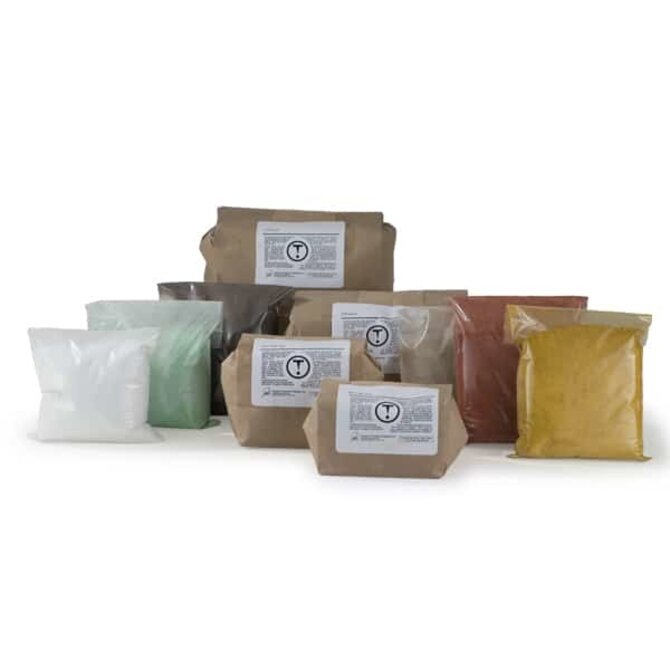


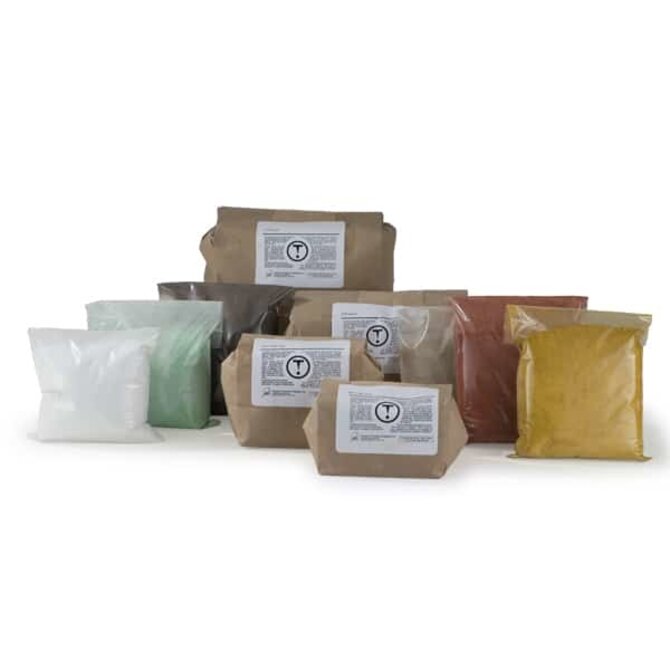
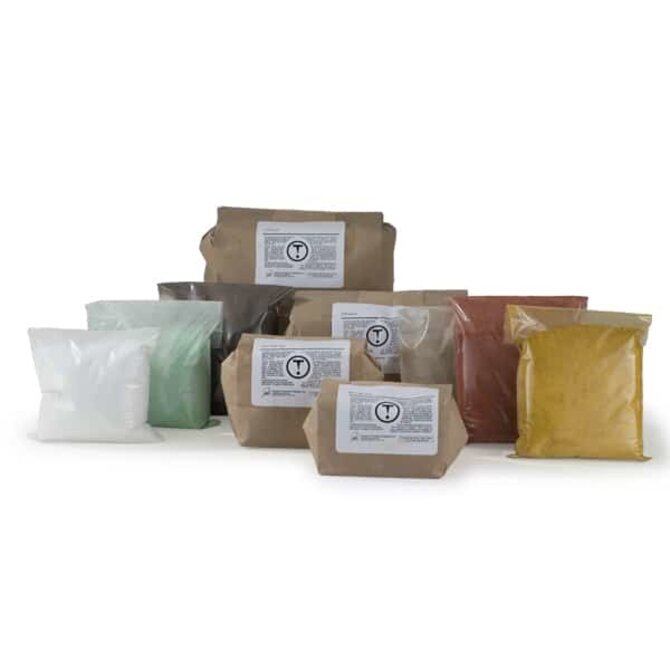
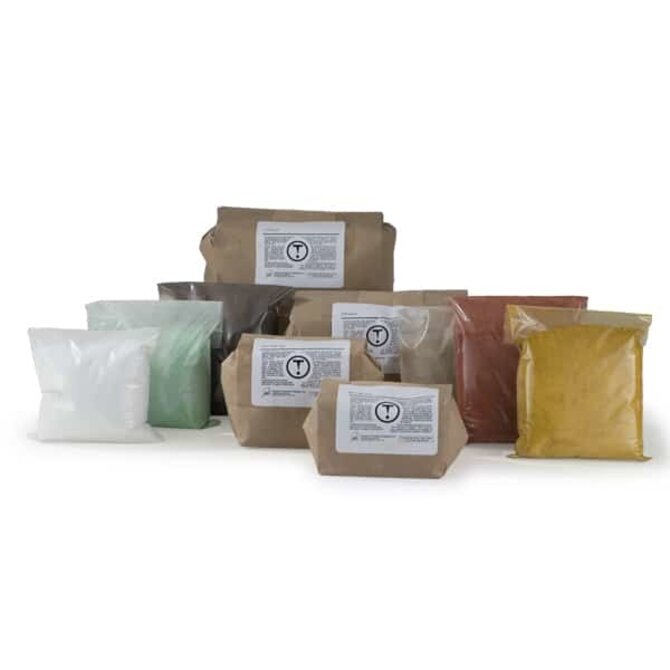
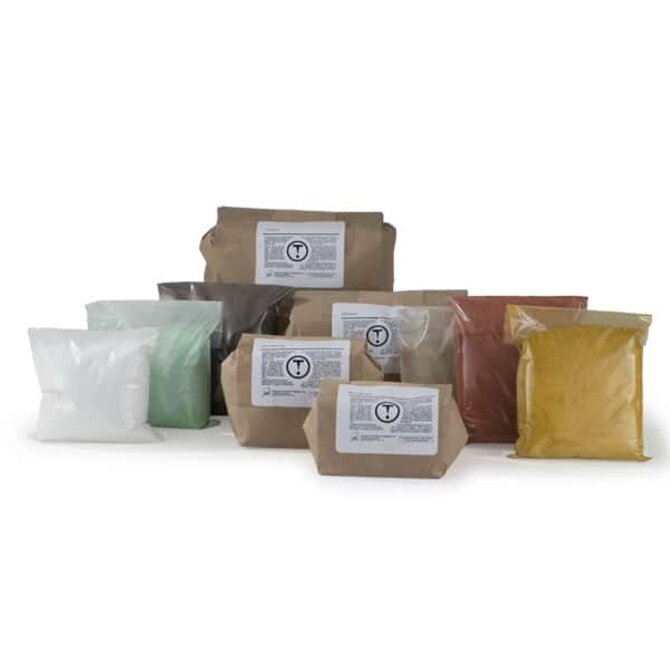
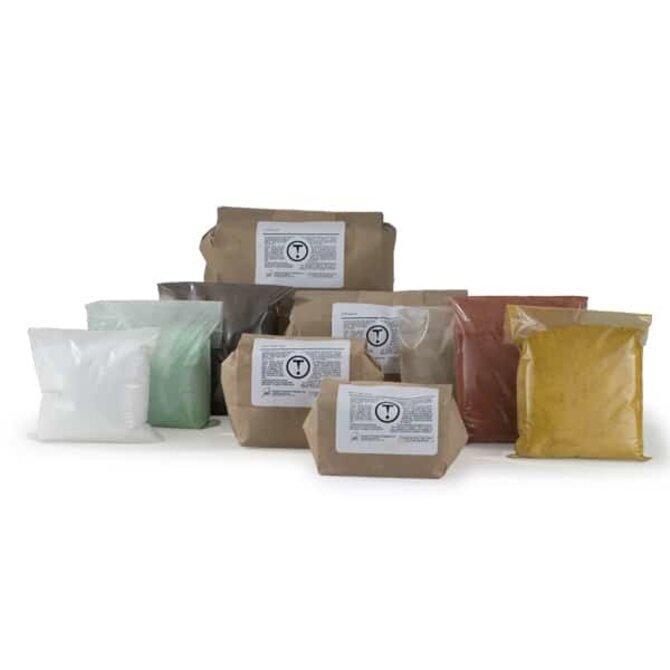
Gum CMC #7 Powder (Carboxy/Methyl Cellulose) is an organic cellulose gum which functions as a thickener, binder, and suspending agent in glazes.
C$35.75